
Given the scale and complexity of the energy transition, Enexis is working more intensively and strategically with contractors in the energy infrastructure sector. As Baas Verkley, a provider of infrastructure construction services, puts it, ‘Working well together is especially important when faced with such a large and multifaceted challenge.’
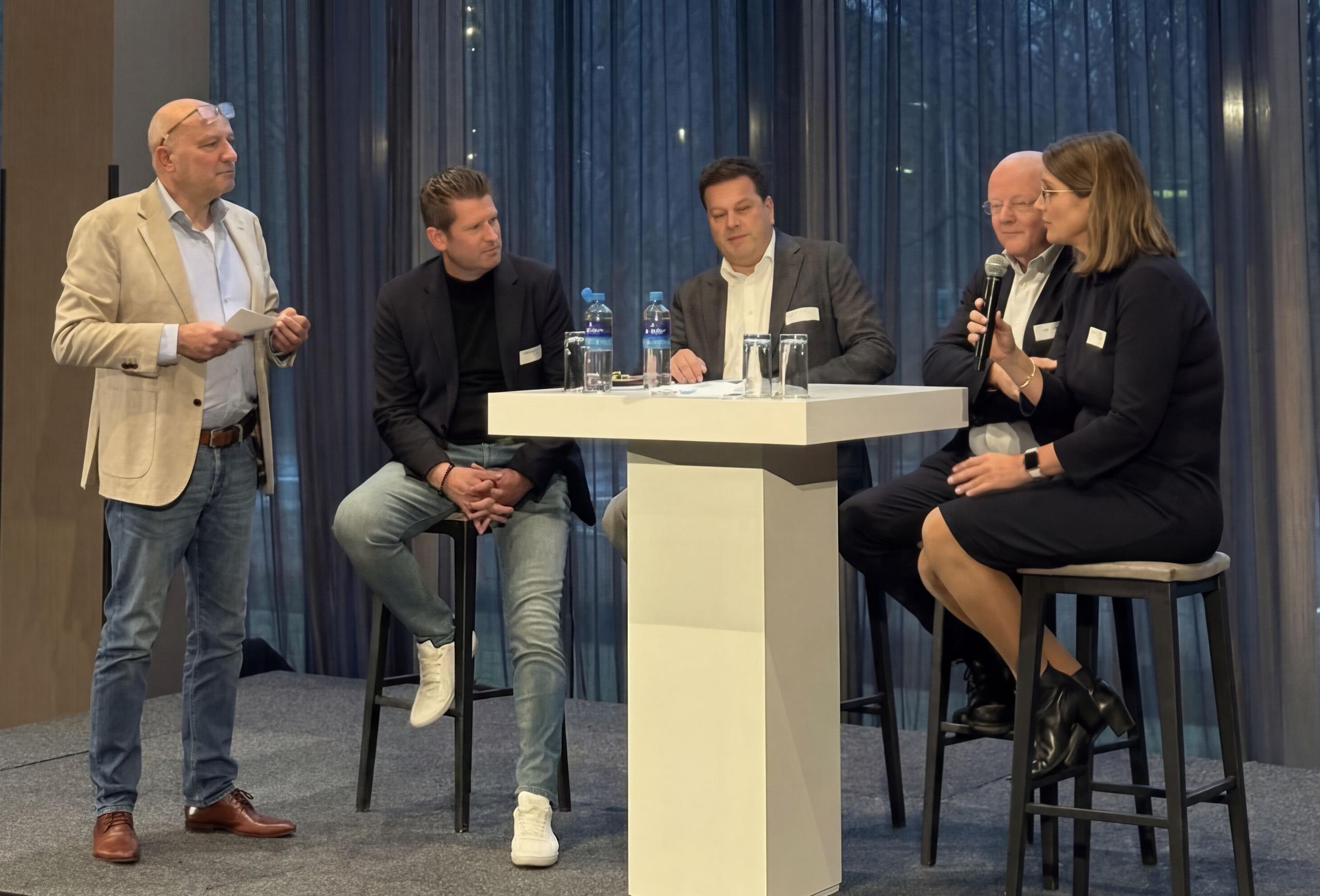
‘In the past, Enexis provided us with ready-made designs to implement. Today, we are responsible for designing, planning, and delivering large parts of the expansion and replacement projects ourselves,’ says Ron van Baal, Regional Director of Infra Zuid at Baas Verkley (pictured on the left, during an Enexis Safety Morning last year). ‘In addition to engineering, this involves extensive stakeholder and environmental management. Our collaboration across the chain is very close.’
Tenders
In 2025, contracts with Baas Verkley and other contractors were renewed and extended for 12 years as part of two major tenders in North Brabant and Limburg. For Enexis, this provides long-term capacity assurance; for contractors, it offers welcome certainty. ‘It allows us to invest heavily in the partnership,’ Van Baal explains. ‘This includes safe working practices, further development of our people, the right equipment, and long-term agreements with qualified subcontractors.’
The long-term nature of the contracts also supports the development of strong working relationships, which is essential given the scale and diversity of the work. ‘Enexis is always open to consultation and is a very accessible organisation,’ Van Baal adds.
Complex job in record time
An excellent example of effective collaboration is the project at the 150 kV transformer station in Roosendaal. ‘Last year, just before the summer construction break, Enexis asked us to upgrade the connections to surrounding areas within six months,’ says Van Baal. ‘It was a major undertaking, involving drilling of up to one kilometre beneath railway lines in a highly complex area.’ By Christmas, 80% of the work had been completed. ‘That was a fantastic milestone. Achieving this requires a high level of transparency and mutual trust. You can make swift decisions because you know what to expect from each other.’
From the outset, Baas Verkley has played an important role in Enexis’ neighbourhood approach. ‘We are upgrading the electricity grid neighbourhood by neighbourhood to support the energy transition. This involves not only technical challenges, but also political and social considerations. One municipality may present many procedural hurdles, while another rolls out the red carpet for you. In every case, we guide residents step by step through what will happen in their neighbourhood, with ample opportunity for dialogue.’
We want everyone to feel confident speaking up
if something threatens to go wrong.
Reducing risks
Safety is a constant priority within the partnership. ‘Much of the work involves high-voltage installations in a congested underground environment, using potentially hazardous equipment,’ Van Baal explains. ‘At the same time, there is a continuous inflow of new technicians, including migrant workers from across Europe. Limited experience and language barriers can increase risks on-site.’ In 2024, Enexis observed an increase in safety incidents, most of which were minor.
How does Baas increase and safeguard safety in the projects? ‘We organise annual safety days, provide buddy systems for new employees, and develop multilingual instructions and videos for machine use,’ Van Baal says. The company also runs targeted programmes, for example on leaving construction sites safely and on working safely around gas meters. At Baas Verkley, employees who stop work for safety reasons are actively supported and rewarded. ‘We want everyone to feel confident speaking up if something threatens to go wrong.’
Best practices
Within Baas Verkley and across the sector, contractors actively share safety insights and best practices and develop joint training programmes. ‘We all benefit from a safe and attractive industry,’ Van Baal concludes. ‘And we need each other to deliver the enormous task of the energy transition.’