
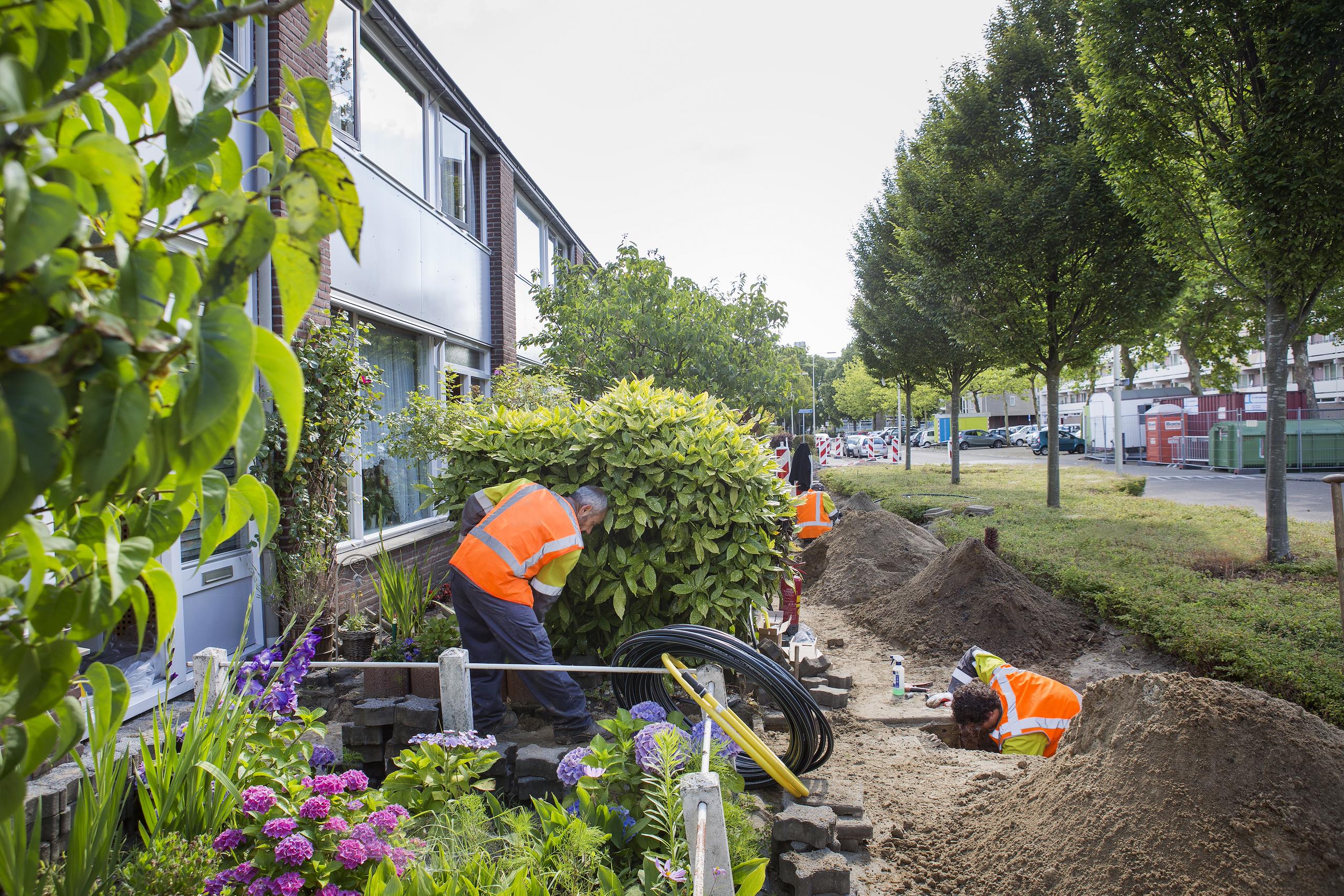
The largest renovation of our energy grid to date
Enexis’ updated investment plan includes a record €7 billion in investments over the next three years to upgrade and maintain the gas networks and electricity grids in the provinces of Groningen, Drenthe, Overijssel, North Brabant, and Limburg. The programme will see the construction of 42 new high-voltage substations, the expansion of 130 existing ones, and the installation of thousands of kilometres of additional cables. Together, these investments will enable further growth in solar and wind energy, support the electrification of industry, and create capacity for new housing developments.
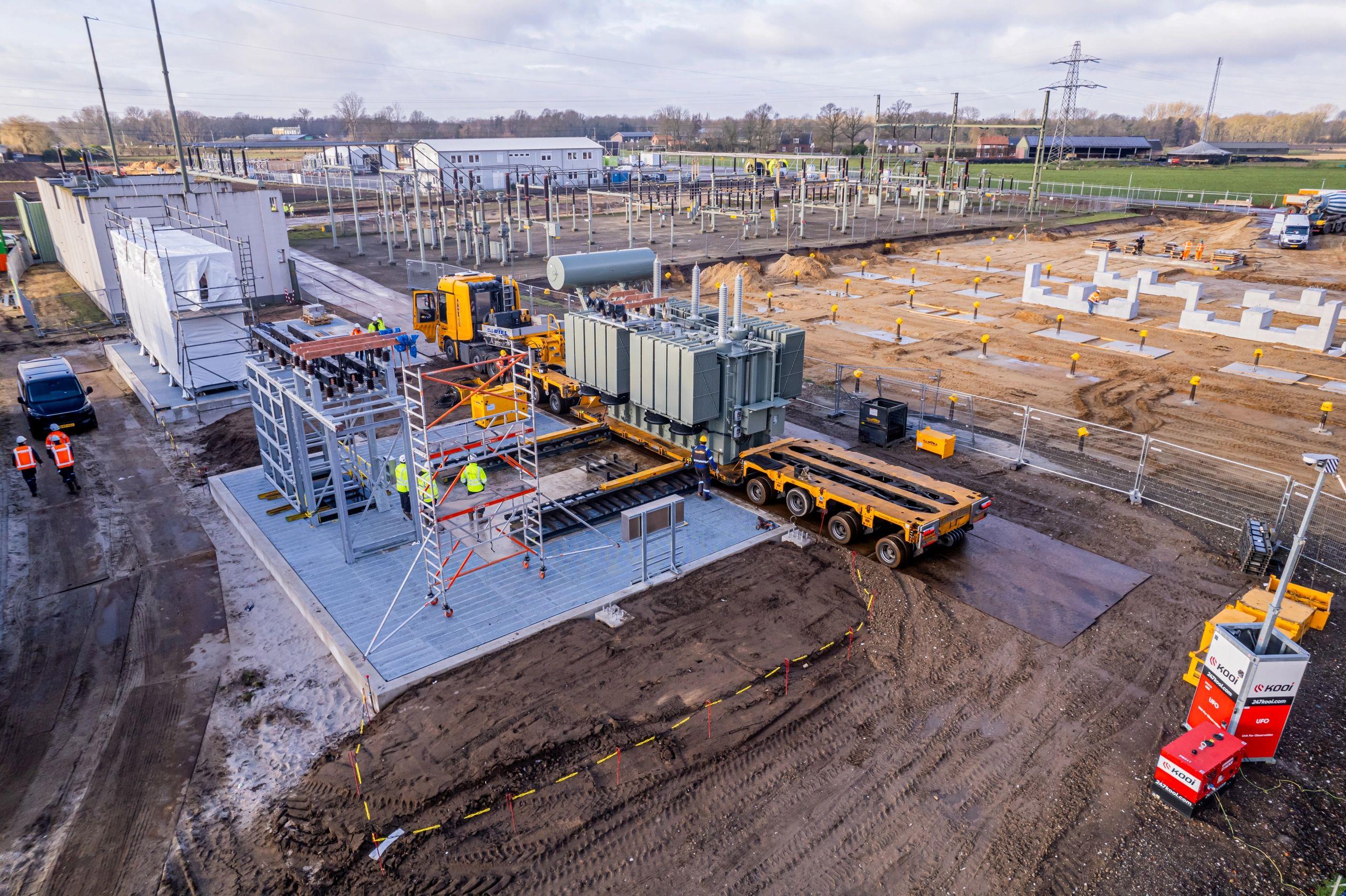
Renovation and expansion of Kelpen-Oler substation
We increased the capacity of the Kelpen-Oler substation from 85 to 200 MVA. Rather than upgrading the existing installation, we constructed a completely new substation just outside the current site. This approach is both faster and more efficient. By using a ‘greenfield’ method – ranging from modular installations to prefabricated buildings – we were significantly accelerating delivery. It also allows us to build multiple substations simultaneously at different locations.
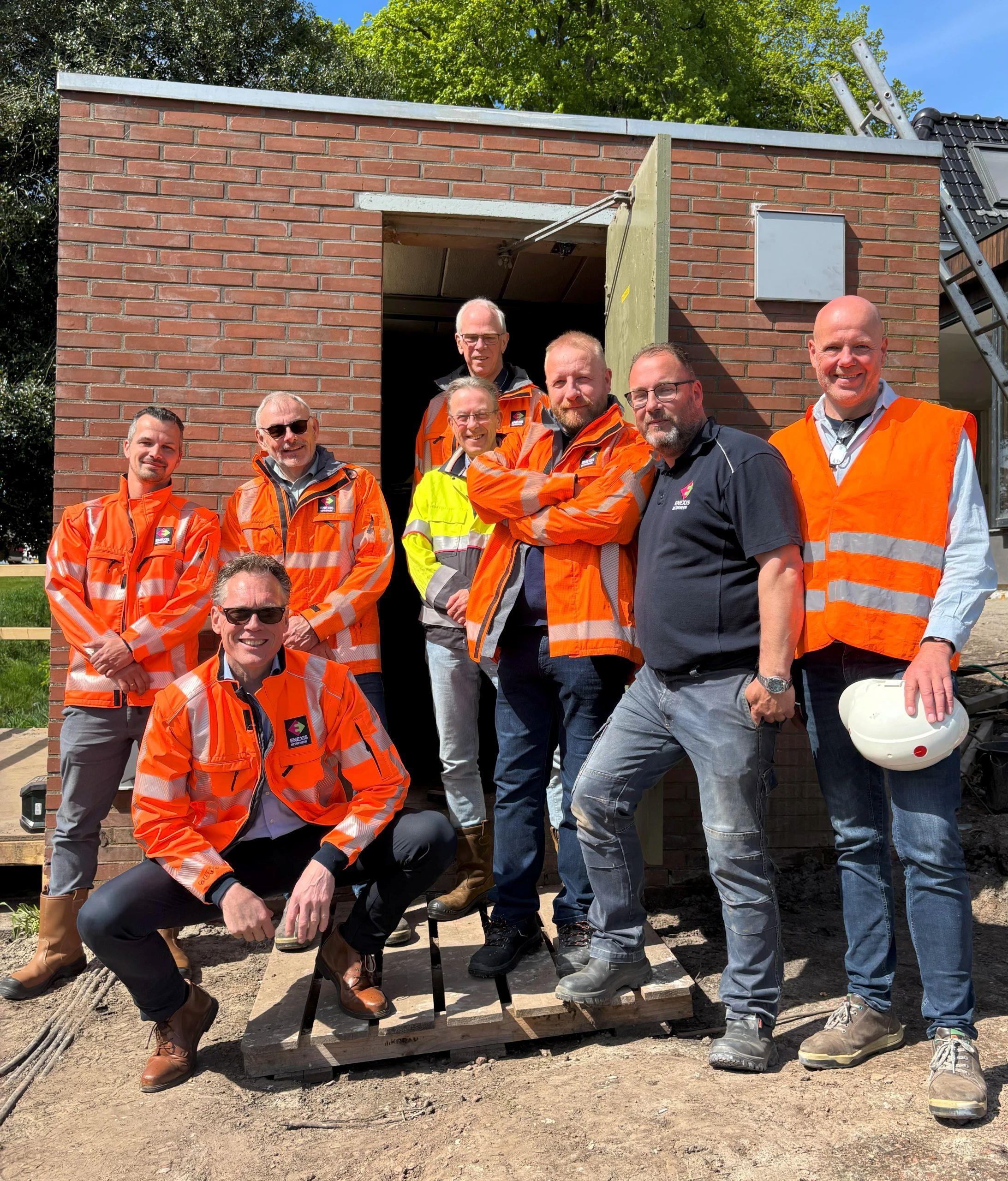
100th preventive transformer replacement
In April, we celebrated a milestone in Harkstede, Groningen, with the replacement of our 100th transformer. Over the past two years, Enexis has been proactively replacing older transformers wherever possible. These older units are particularly prone to faults on sunny spring days. In April and May, this occurs primarily when solar panels feed electricity back into the grid. The resulting high currents can cause fuses to blow. In summer, higher temperatures can also lead to cooling issues, increasing the risk of overheating outdated transformers. New transformers solve this problem.
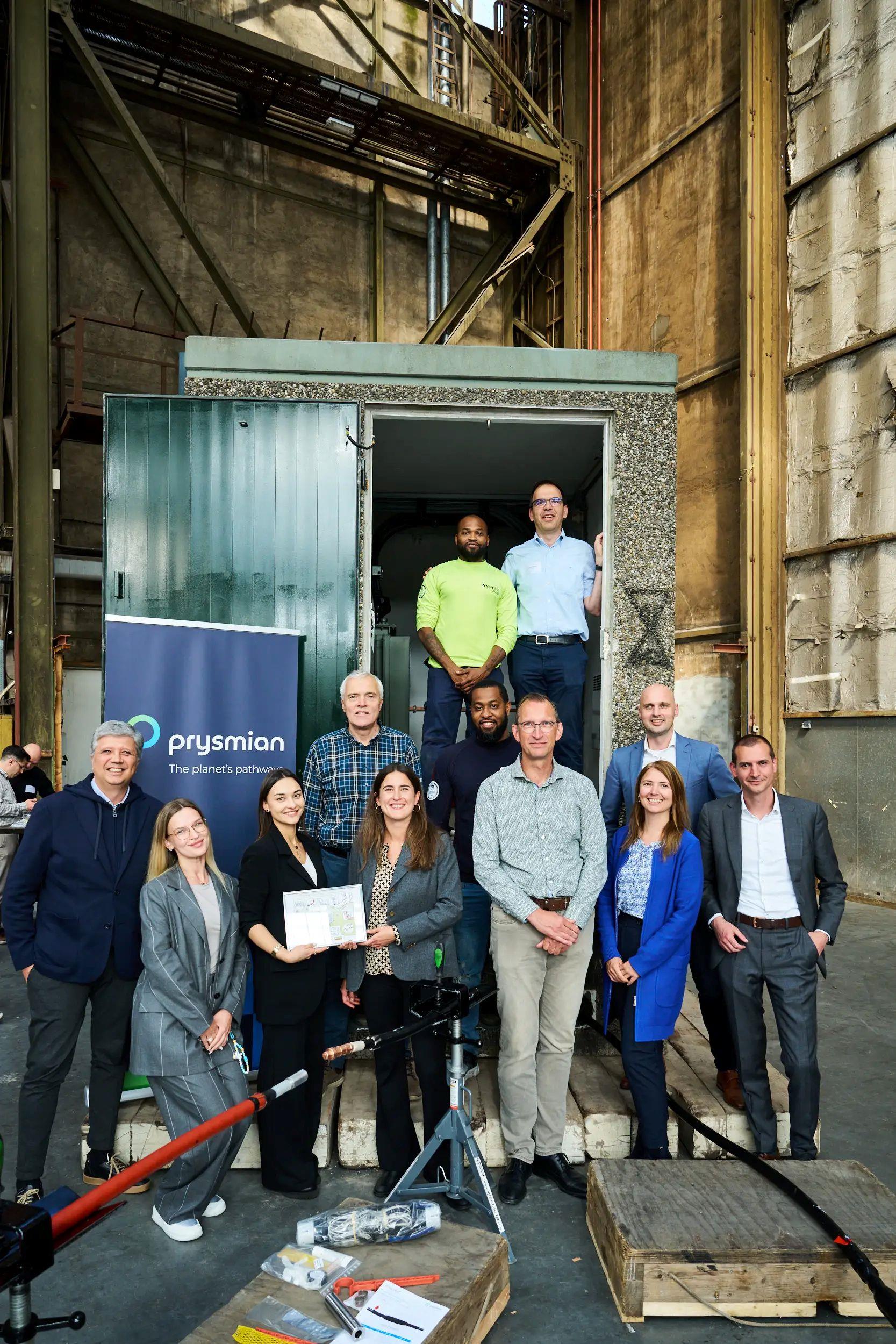
Flexible cable solution cuts connection time in half
How can we significantly accelerate the connection of medium-voltage substations and reduce the workload for technicians? Stedin, Alliander, and Enexis put this question to the market. Prysmian Netherlands provided the winning solution: a flexible cable with a prefabricated plug connection that can be inserted and connected with minimal force. This innovation saves time and makes the work easier. As a result, a substation can now be connected in one day instead of two. Fewer technicians are needed, the work is less physically demanding, and no major modifications to existing substations are required.
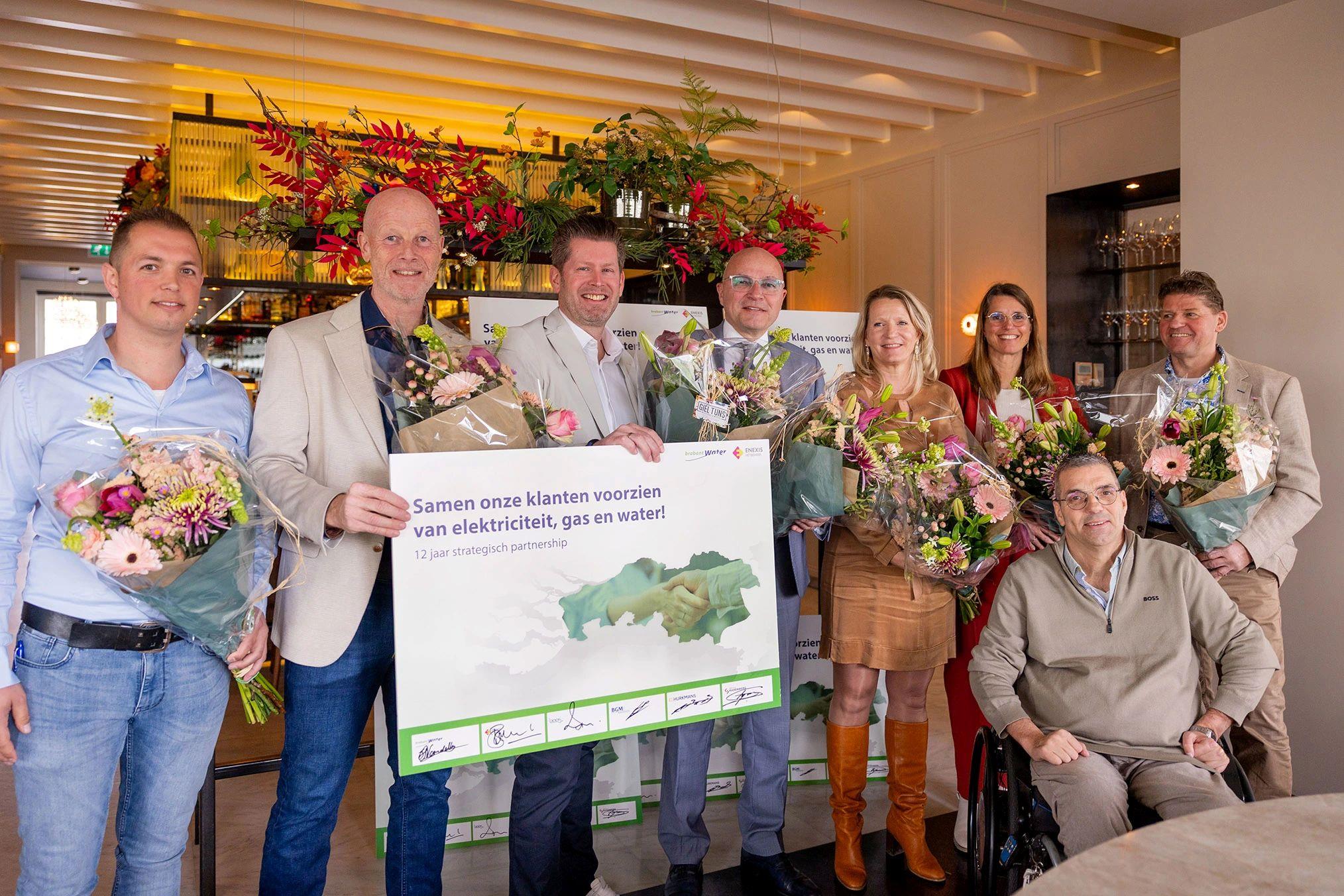
Together, we are piecing together the puzzle for the south
In April, we awarded the Combi Brabant tender to Baas, Hurkmans, BGM, and APK/Rasenberg, in collaboration with Brabant Water. Over the next 12 years, these parties will be responsible for expanding, renewing, and upgrading both the electricity grid and the drinking water network in North Brabant. The project represents an investment of €900 million.
In addition, the tenders for Solo Brabant and Combi & Solo Limburg were successfully completed last year. The Limburg tender was carried out together with Waterleiding Maatschappij Limburg. The contractors selected for the 12-year Limburg contract are BAM Energie en Water, HvG Infra, BGM, Van den Heuvel, Van Geleuken, Rasenberg Kabel en Leidingen, A. HAK, Hanab Distribution, and APK Infra en Wegenbouw. Enexis deliberately chooses long-term strategic partnerships with contractors. This approach helps secure implementation capacity and encourages sustained investment in skills and craftsmanship.
More skilled workers for the energy transition
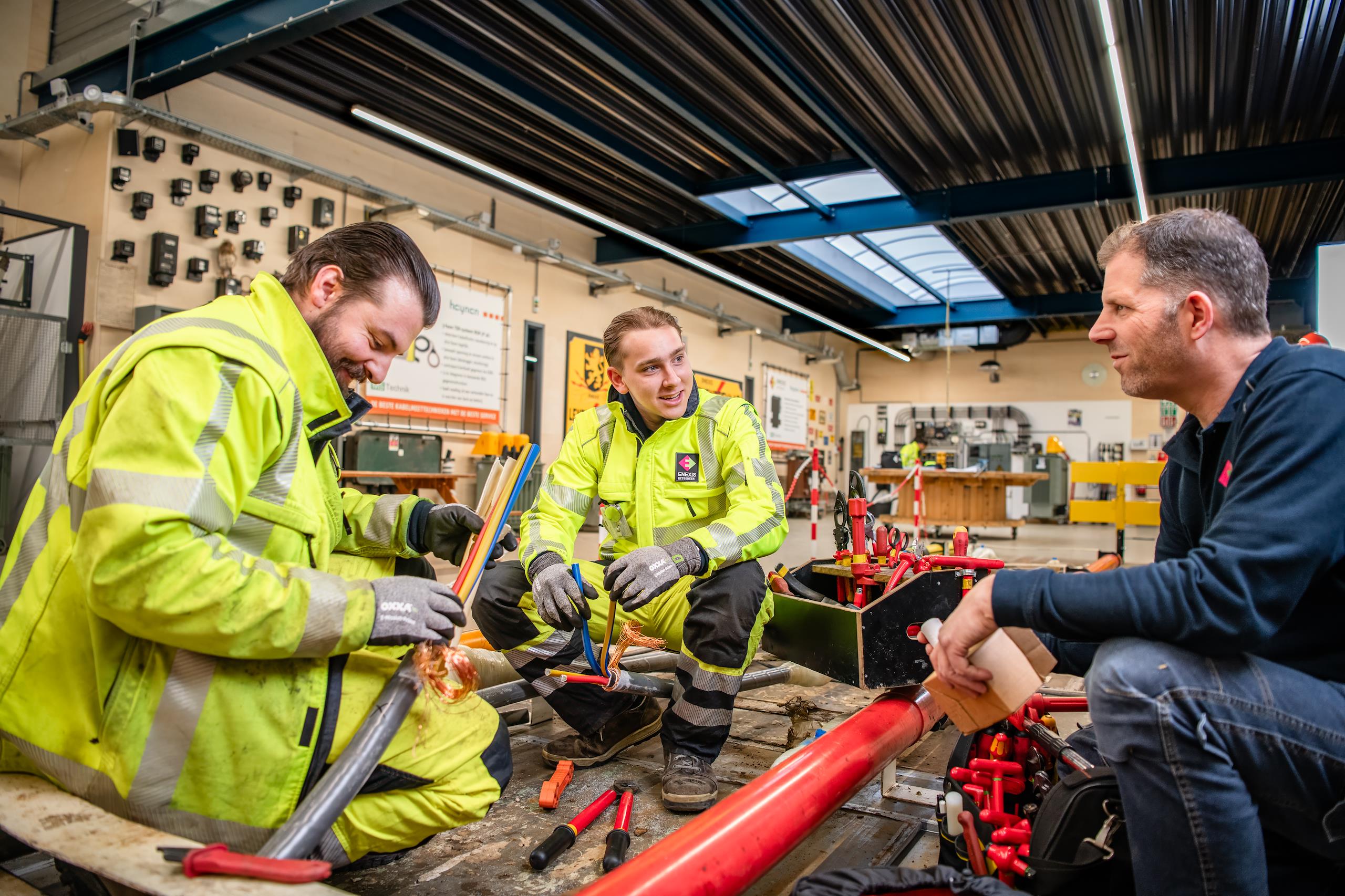
At Enexis, we see every day how essential skilled workers are to building a future-proof energy grid. To tackle the sector-wide shortage of around 30,000 technicians, we are working with other grid operators, contractors, and the government on the 2030 Scale-up Plan. This plan focuses on training and deploying an additional 5,000 technicians, supported by a subsidy from the Climate Fund Netherlands and a joint investment of more than €200 million.
A key component is the regional partnership programme 'Infra Talenten', which recruits, trains, and supports new entrants into careers in underground infrastructure. This strengthens the alignment between education and labour market needs. For status holders, 'Energy Skills' offers a tailored pathway into the sector. This programme, run by Enexis in collaboration with the Refugee Talent Hub, Alliander, and TenneT, introduces participants to the field, provides customised training, and offers guidance towards a career in engineering. In total, the programme aims to support 1,000 status holders.
'Buurtvoorstel'
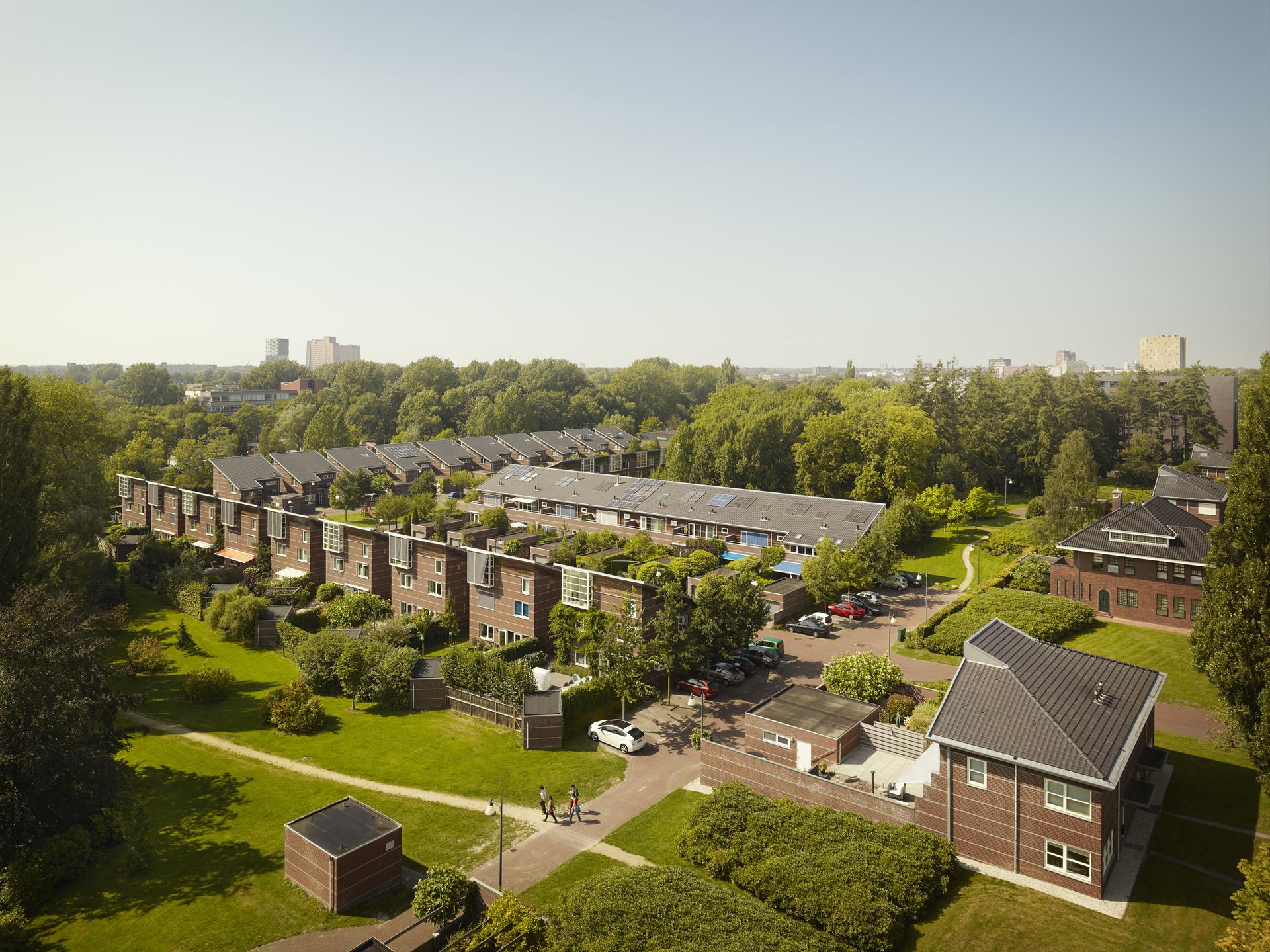
Municipalities play a crucial role in making the built environment more sustainable. To support them, we introduced 'Buurtvoorstel' last year: a digital tool that provides insight into our long‑term expectations at neighbourhood level and enables municipalities to share their own plans. 'Buurtvoorstel' offers insight into three themes — heating, sustainable generation, and passenger mobility — and provides an outlook on developments towards 2050. At the same time, municipalities can give feedback on their own plans, allowing the tool to serve as a starting point for dialogue and enabling our investment plans to better align with local ambitions. Following its launch, 'Buurtvoorstel' immediately generated high engagement: in 59% of neighbourhoods, municipalities actively responded to their heat transition proposals. Nearly half adopted the proposal based on the ‘Startanalyse’ of the Netherlands Environmental Assessment Agency (PBL), while slightly more than half submitted an alternative. Notably, municipalities often chose an all-electric heat pump, even in neighborhoods where the 'Startanalyse' recommended a hybrid heat pump or district heating network.
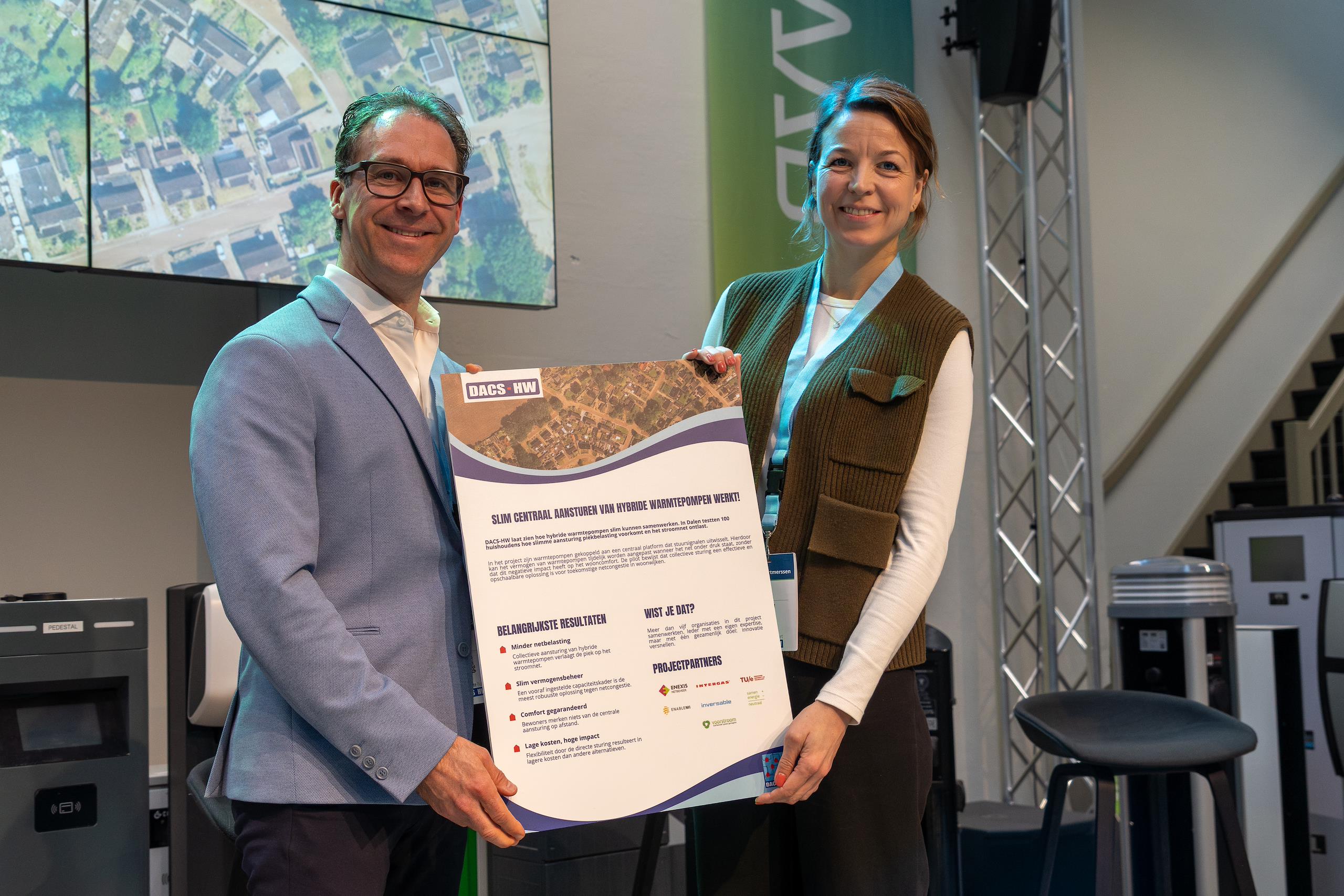
Central control of hybrid heat pumps reduces evening peak
The DACS-HW pilot project in Dalen, Drenthe, focused on the centralised, collective control of 100 hybrid heat pumps in households. The aim was to assess whether this approach could enable more efficient use of local grid capacity and flexibility. The growing adoption of (hybrid) heat pumps, among other developments, is placing increasing pressure on the electricity grid and raising the risk of congestion in certain areas.
The pilot showed that smart, centralised control can significantly ease the load on the low-voltage grid, lowering the evening peak by 10% to 25%. Although the heat pumps were controlled automatically, residents always retained influence through a ‘comfort button’ (opt-out). Thanks to transparent collaboration and clear, sustainable results, 40% of households took part in the pilot. These experiences provide a strong basis for further developing this innovative approach and potentially rolling it out in other neighbourhoods and municipalities, contributing to a more stable, cost-effective, and future-proof energy system.

Enexis signs first group transmission agreement in the Netherlands
Last year, Enexis signed one of the Netherlands’ first group transmission agreements (GTAs) with 14 companies united in the Energie HandelsPlatform Pannenweg (EHP-P) in Nederweert. This marked an important milestone for Enexis, as it was the grid operator’s first GTA. The agreement allows participating companies to share transmission capacity. Using an energy management system, supply and demand can be matched in real time, enabling the available capacity on the electricity grid to be used more efficiently. This creates room for business growth and sustainability at the industrial estate, even amid ongoing grid congestion.
A GTA requires close cooperation between entrepreneurs, grid operators, financiers, and other stakeholders. In the coming years, Enexis will work with other grid operators and businesses to further develop and scale up this approach. At present, Enexis is collaborating with 10 business parks on the development of a GTA.
Mandatory flexible capacity
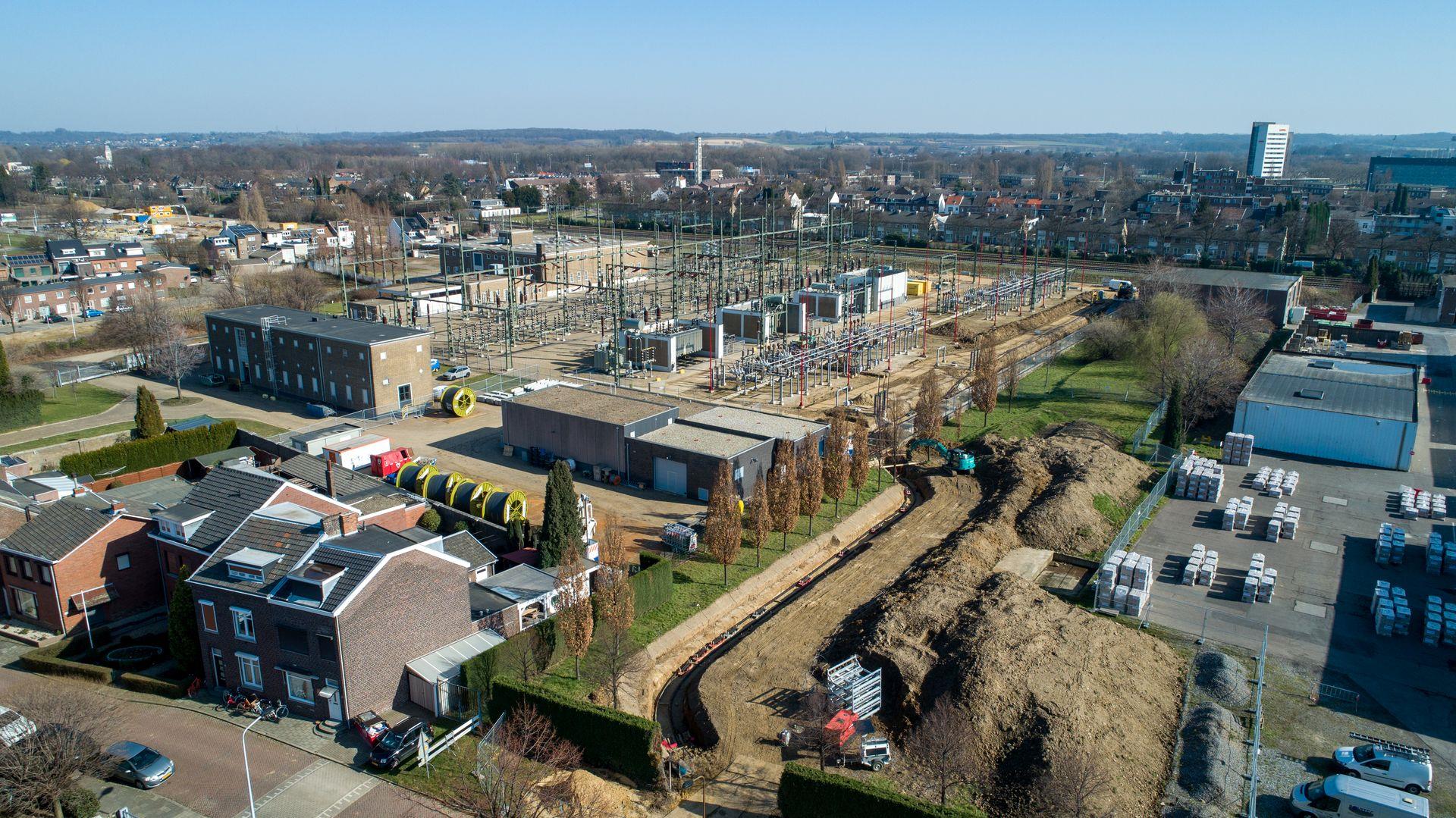
In June, Enexis initiated a new phase of congestion management in five areas in North Brabant and Overijssel. Large consumers with a connection of 1 MW or more are now required — against compensation — to offer flexible capacity during peak moments on the electricity grid. This concerns 27 consumers across five stations where the risk of overloading is highest during the winter months. In addition to technical measures, their contribution is essential to prevent parts of stations from needing to be temporarily switched off.
Grid-aware charging: public charging points help prevent peak loads
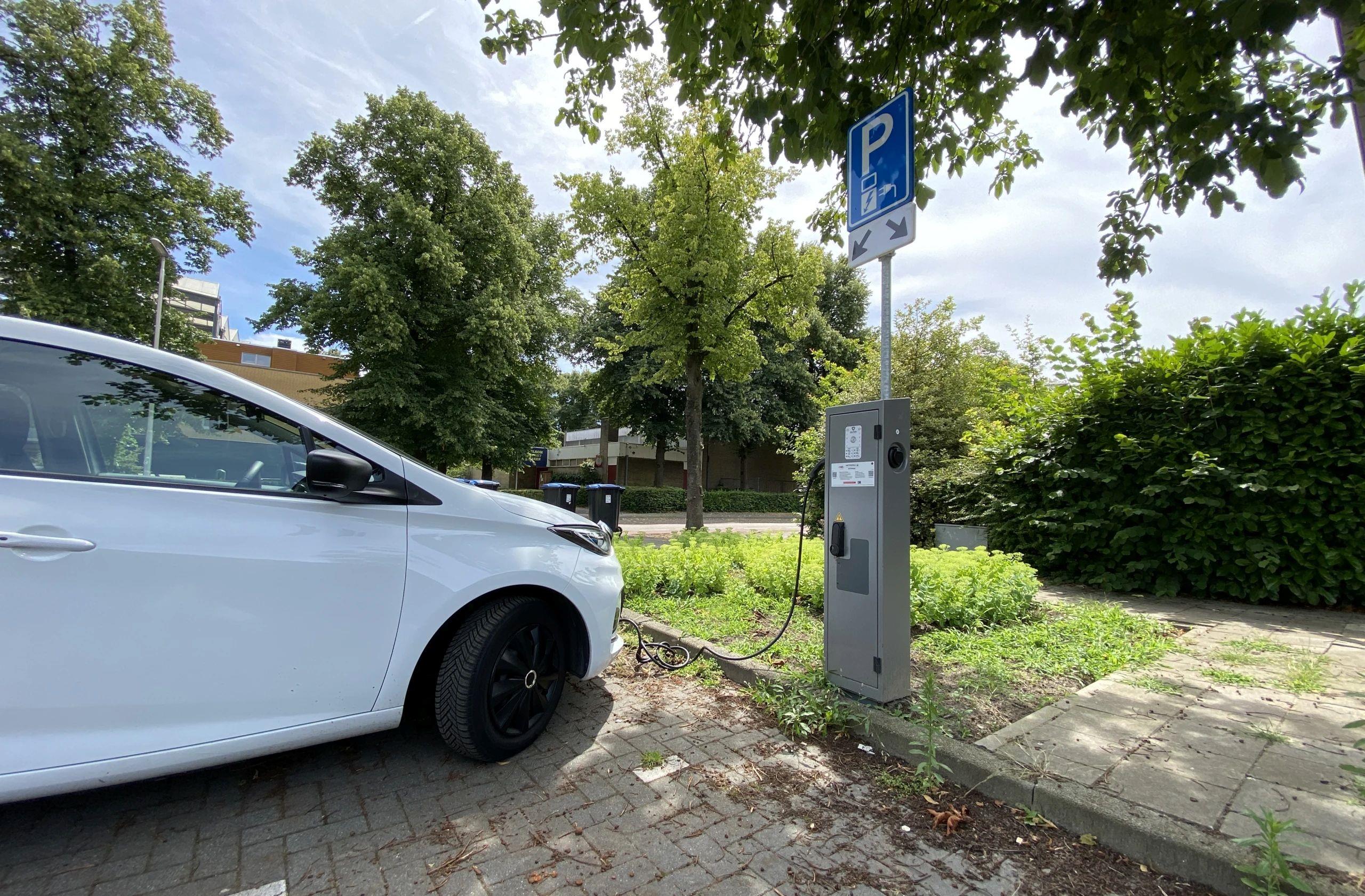
To ease pressure on the electricity grid during busy winter periods, more than 2,200 public charging points in the Enexis service area have switched to grid-aware charging. In collaboration with Vattenfall, Allego, and Equans, 66% of these charging points are now equipped to support this form of smart charging.
The number of charging points is increasing rapidly. As a single charging point operating at full capacity can consume as much electricity as three households, smart charging is essential. Electric vehicles are particularly well-suited to this approach, as they are often connected to the grid longer than strictly necessary. On weekdays, charging capacity is automatically reduced between 4.00 p.m. and 9.00 p.m., especially in areas where the grid is under critical strain. Outside these peak hours, vehicles charge at full power again. Grid-aware charging is an important step towards a future-proof energy system. In the longer term, charging points will fully adapt to real-time grid conditions, and we are committed to ensuring that all charging points support this functionality.
Trial with dimming solar panels
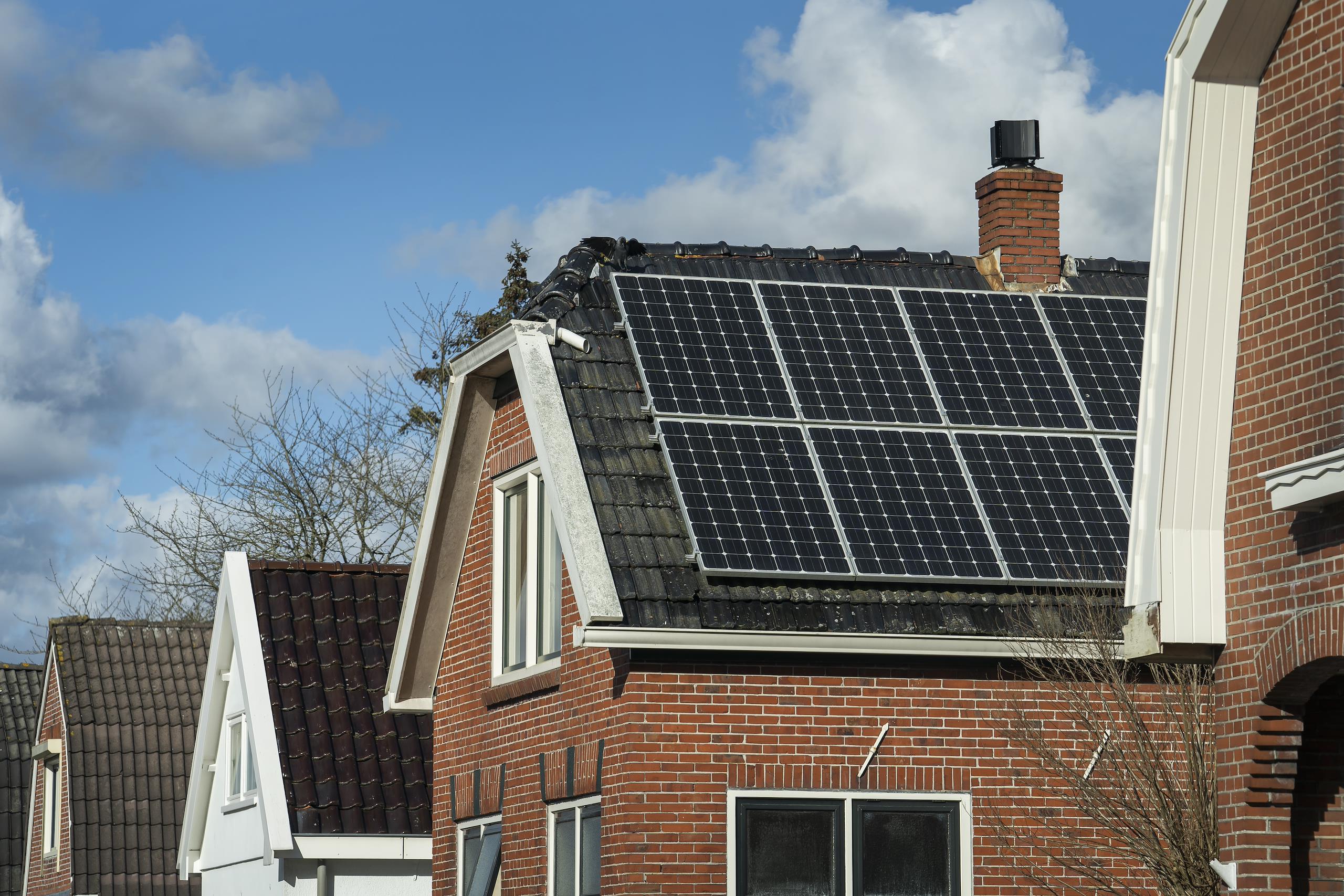
An increasing number of households are feeding solar power back into the grid, which can lead to congestion at certain locations and times. This year, in partnership with the Zonnedimmer platform, we ran a pilot in which homeowners temporarily reduced their solar panel output in exchange for compensation. With their consent, generation was lowered on very sunny days when electricity consumption was low, and feed-in was high. Participating households received €0.30 per kWh. The pilot demonstrated that Zonnedimmer is effective in preventing generation congestion, that residents respond positively, and that the system can be deployed on our local low‑voltage networks.
LV-NExT challenge: accelerating the expansion of the low-voltage grid
To significantly speed up the expansion of the low-voltage grid, Enexis, Stedin, and Alliander launched the LV-NExT Challenge last year. This international call invited market parties to develop innovative solutions to scale up low-voltage grid reinforcement from 100 to 1,000 neighbourhoods per year. In doing so, grid operators reached beyond the energy sector, inviting expertise from industries such as automotive, defence, and shipping.
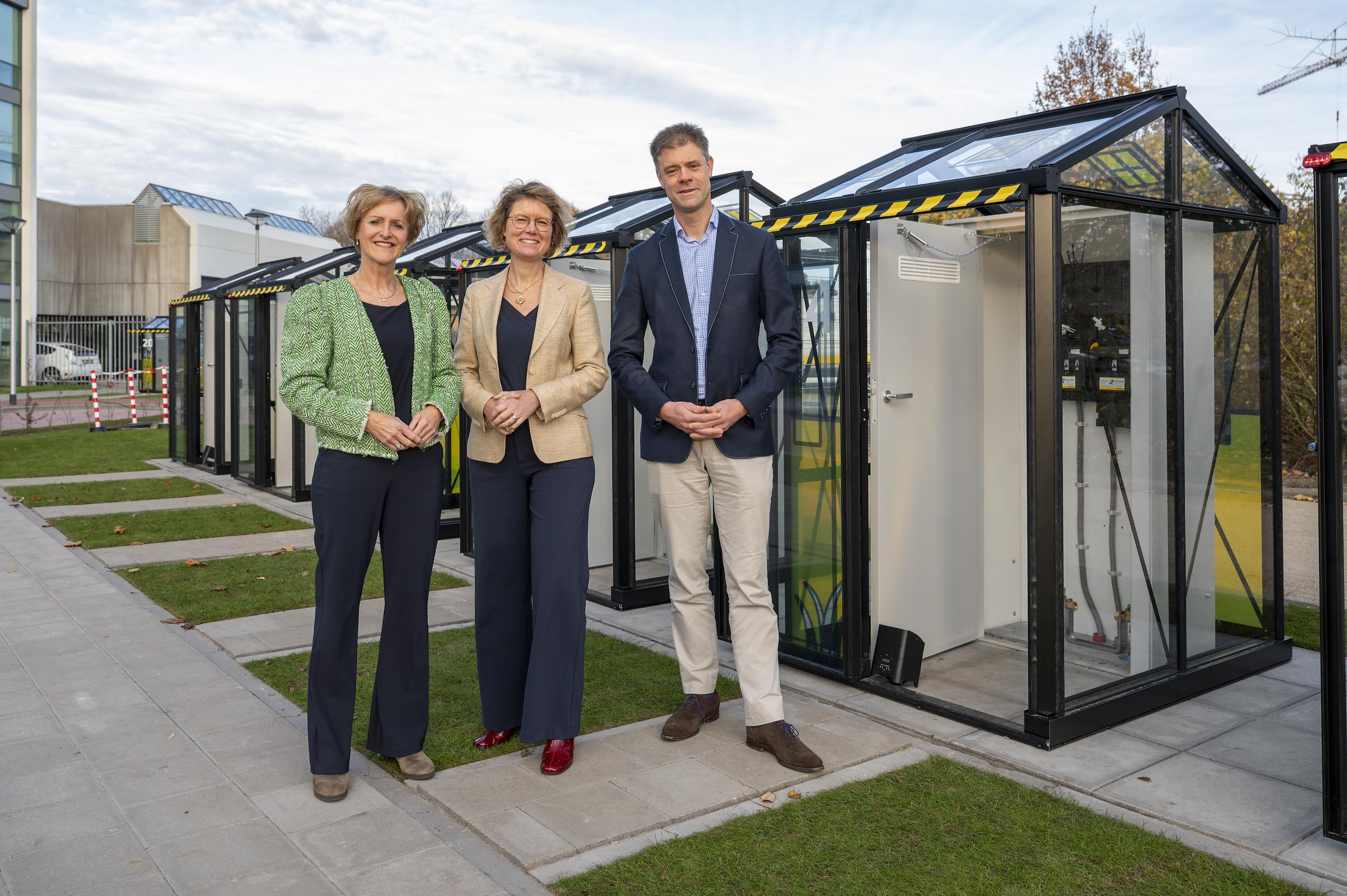
A key element of the challenge is the LV-NExT simulation street in Utrecht: a simulated neighbourhood where new technologies designed to make the low-voltage grid faster, smarter, safer, and more sustainable can be tested in practice. Innovations can be trialled safely, without disrupting day-to-day operations. Once successfully tested, solutions can first be applied in a neighbourhood and, if proven effective, rolled out at scale. This supports the ambition to install more than 100,000 kilometres of cable and connect 50,000 transformer stations.
Collective Heat Act passed
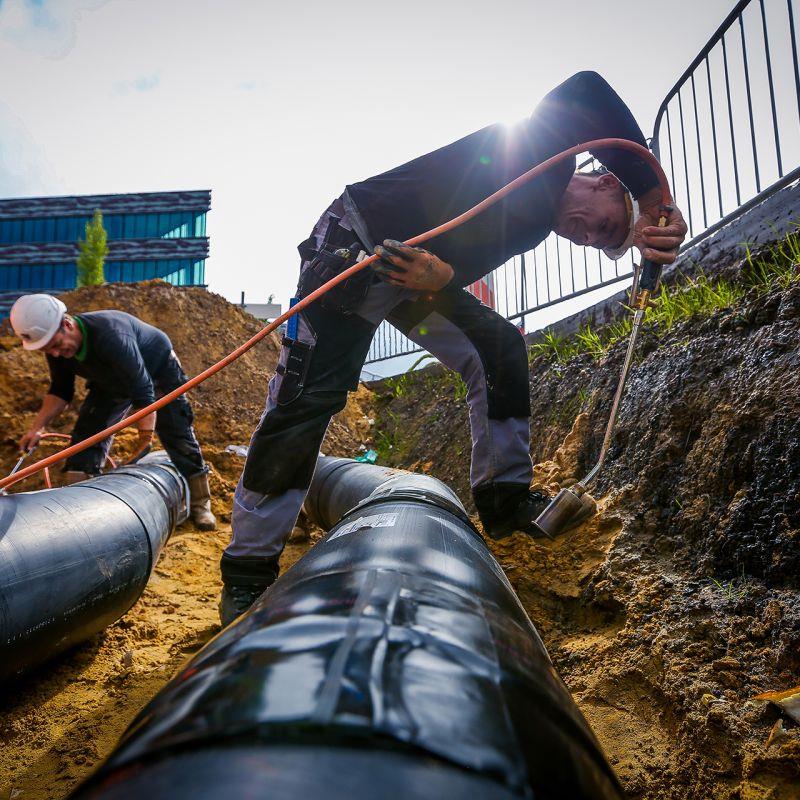
After years of preparation, the Collective Heat Act (Wet collectieve warmte, Wcw) was passed last year by both the House of Representatives and the Senate. This marks an important milestone in the Netherlands’ heat transition and is highly relevant for Enexis. Together with the Energy Act (Energiewet) and the Municipal Instruments for Heat Transition Act (Wet gemeentelijke instrumenten warmtetransitie, Wgiw), the Wcw provides the foundation for a future-proof energy system.
In Drenthe, Overijssel, North Brabant, Groningen, and South Limburg, we are exploring the feasibility of establishing regional heating companies. This is being done through various public partnerships with EBN, provinces, and municipalities. By working together and sharing expertise, we can help limit costs and achieve more stable heating prices. At the same time, we recognise that this approach also involves potential dilemmas.
Green bond issue
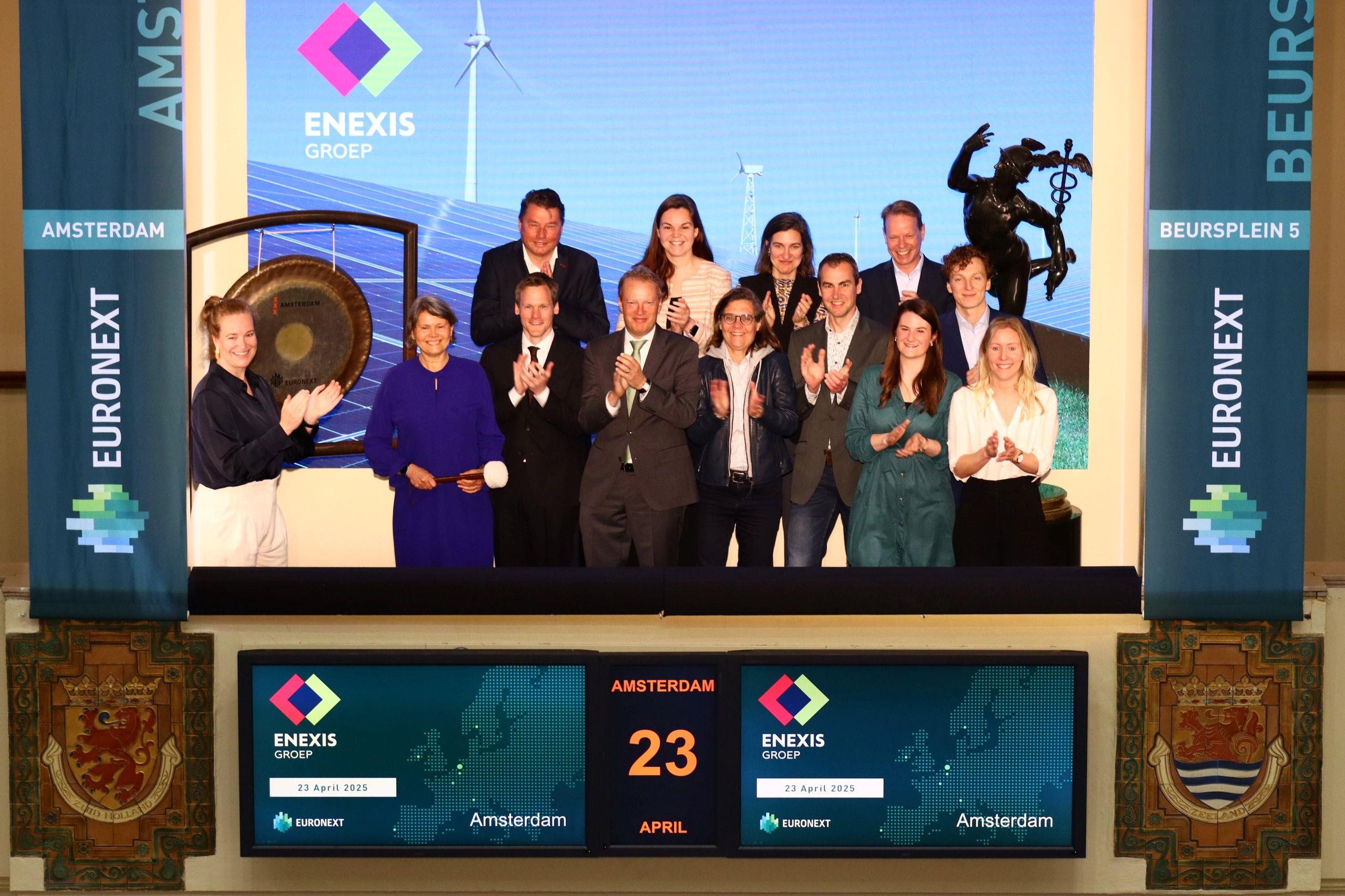
2025 was an important year for Enexis in the capital markets. In April, we launched our first dual-tranche green bond issue, with a total value of €1 billion. The issuance consisted of two €500 million bonds, with maturities of 8 and 12 years. As with our previous green bond issuances, the transaction attracted strong interest from a broad range of sustainable investors.
In November, we issued an additional green bond of €500 million with a maturity of 10 years. Investor confidence remained high, with a significant share of participants having also invested in earlier issues. This confidence persisted despite a recent downgrade of our credit ratings. The proceeds from these green bonds are used to finance investments in the energy transition. With this transaction, the total outstanding bond volume reached €4.5 billion.
Revised dividend policy
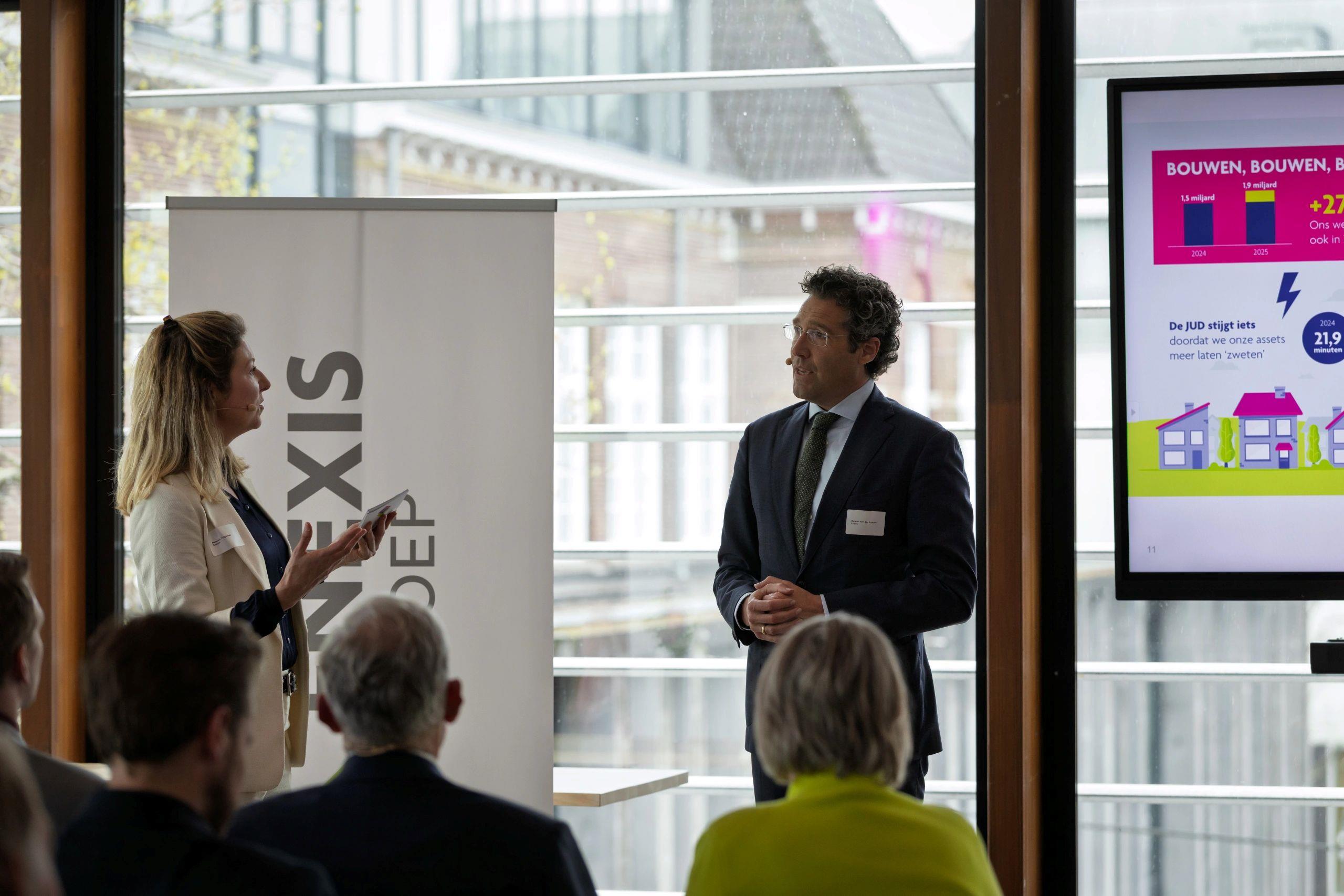
At the annual General Meeting of Shareholders, Enexis’ shareholders approved a revised dividend policy. From the 2025 financial year onwards, Enexis will distribute 50% of its net profit from ordinary operations, up to a maximum of €100 million. This amount will be indexed annually. The revised policy creates additional scope for Enexis to invest in the energy transition. Shareholders support the change, emphasising the importance of ensuring sufficient financial capacity to upgrade and maintain the energy grids.
Serious Request
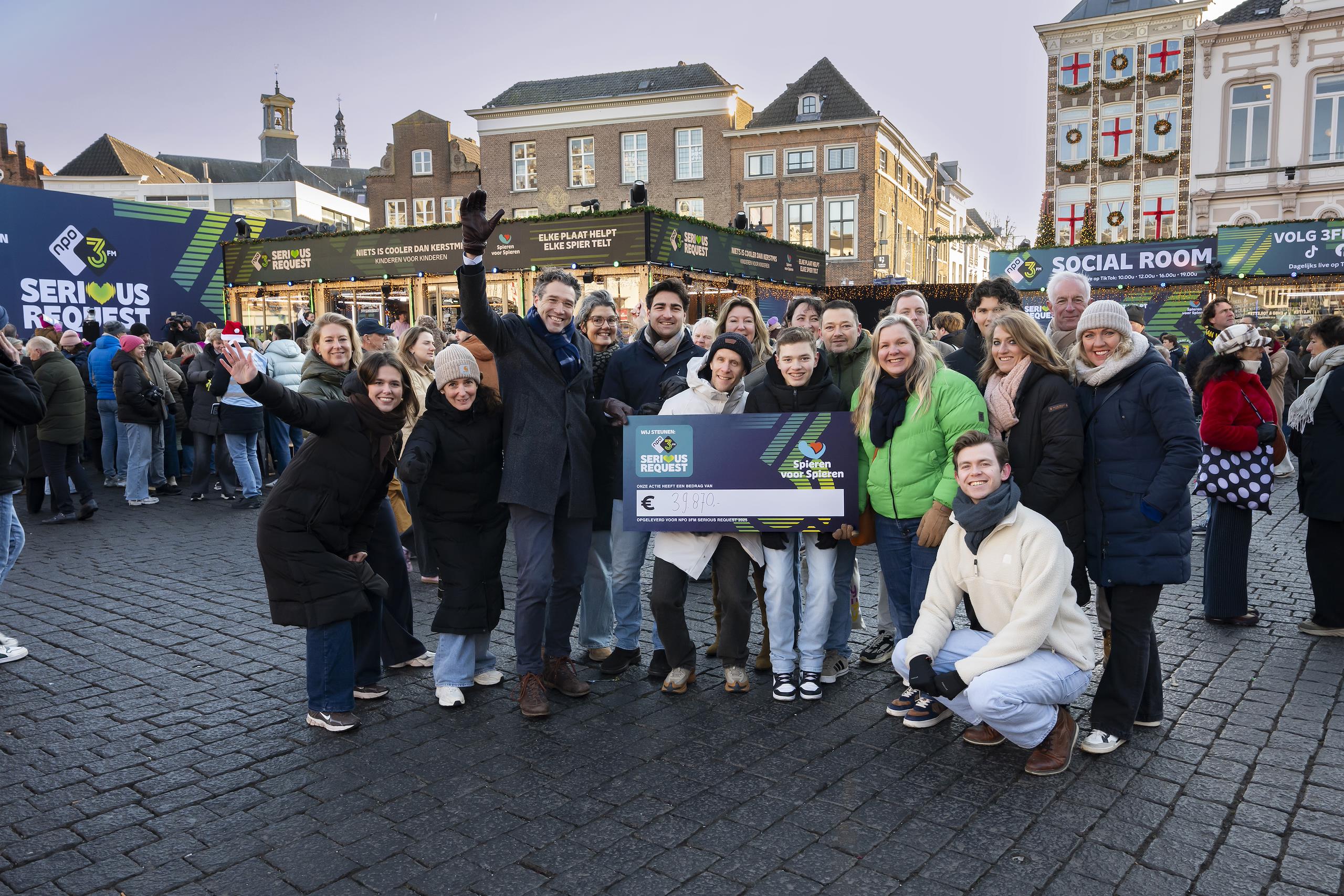
In December, we presented the cheque from our 3FM Serious Request campaign at the Glazen Huis in ’s-Hertogenbosch. During the campaign, we encouraged customers in Brabant to reduce their energy consumption in creative ways between 18 and 24 December, with a particular focus on peak hours between 4.00 p.m. and 9.00 p.m.
By measuring the difference between forecast and actual electricity consumption, we were able to donate the full amount saved in grid costs. Thanks to the combined efforts of our customers and employees, we raised €40,269 for Spieren voor Spieren. It is a result we look back on with pride.